Same water.
More harvest.

We help water reach the right field at the right time. Same canals, same rules, same water limit — just a smarter schedule, checked against real fields in Khorezm.

Why should you care? See the proof
Photo: Amu Darya · My cardio · CC BY-SA 4.0

Why should you care?

Water comes on a schedule. Fields don't get thirsty on one.

The Shavat canal in Urgench, Khorezm

Shavat canal, Urgench · Carpodacus · CC BY-SA 4.0

01

Water travels by canal, in turns

In Uzbekistan, water reaches each village through canals like this one. Every field gets its turn a few fixed days a week — dates written in planning tables half a century ago.

Cotton harvest in Uzbekistan

Cotton harvest · w0zny · CC BY-SA 3.0

02

But the calendar can't see the field

A hot week dries the soil early — and the canal gate is already closed. A cool week means the water was wasted. The plan stays the same either way, and the harvest pays the difference.

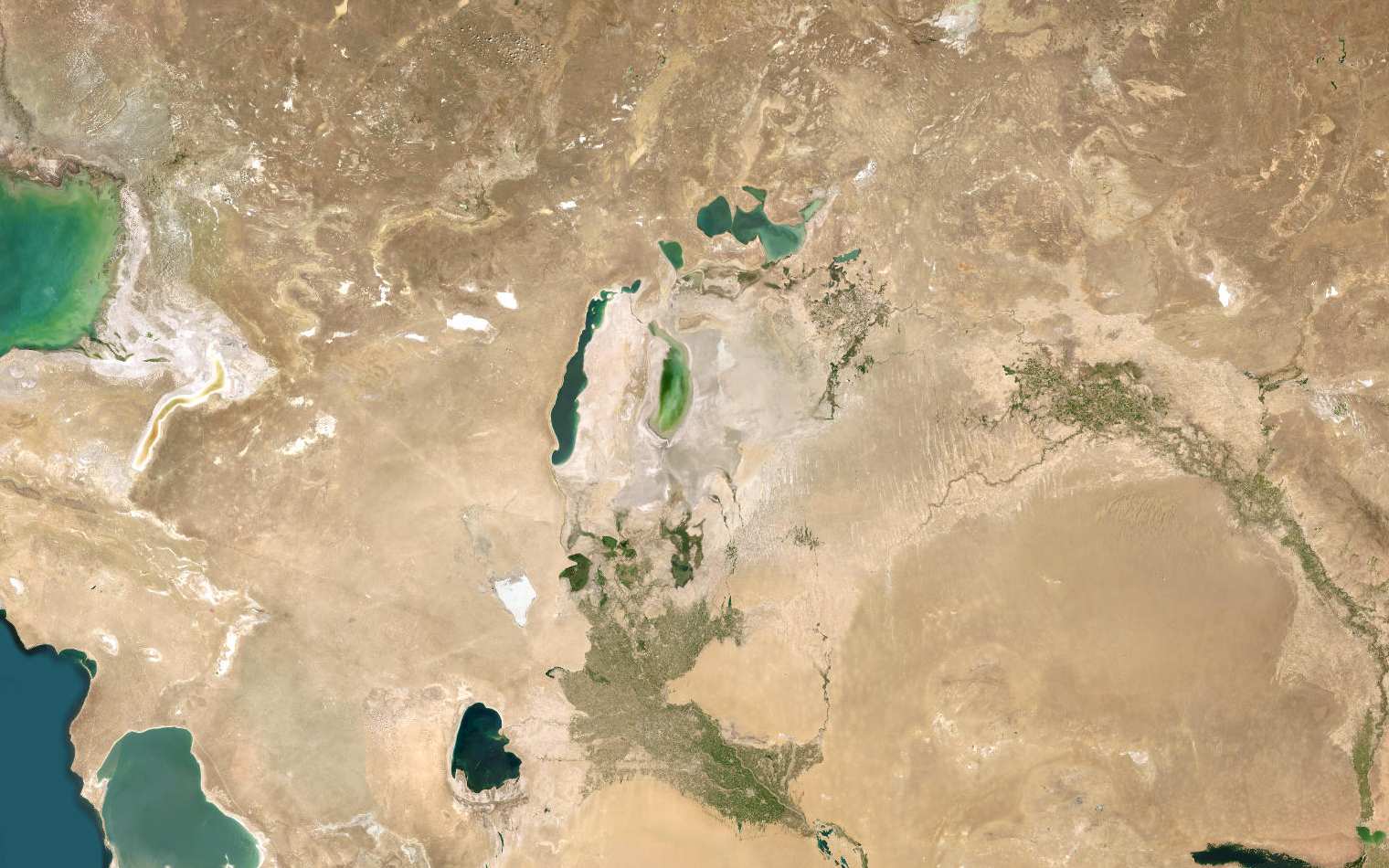
Copernicus Sentinel-2 satellite view of Uzbekistan's irrigated fields

Uzbekistan's fields from space · Copernicus Sentinel-2 / ESA · CC BY-SA 3.0 IGO

03

AmuFlow looks ahead

This is how our program sees Uzbekistan: every field, from space. It reads satellite weather and soil data, knows every gate's calendar in advance, and tells the dispatcher the best day for each field's water — inside the same canals and the same limit. Nothing new to build. Nothing to break.

How it works

From sky to schedule, in four steps.

01

Read the sky and the soil

Free satellite data tells us, for every field, how much water the crop drank today — and how much the soil can hold.

02

Read the rules

The canal rotation calendar, the water limits, which fields share an offtake — every constraint the district already lives by.

03

Search millions of schedules

The engine simulates each field's moisture day by day — including how neighbouring fields interact — and keeps the schedule it can prove is best.

04

Hand the dispatcher a plan

The same ten-day plan the office already files — with better dates, and a reason attached to every dose.

Watch it run on real fields →

Measured on real fields in Khorezm

2–3×

Today's schedule makes crops go thirsty two to three times more than necessary.

We rebuilt the official watering calendar and compared it with the best schedule mathematics allows — on real weather, real soil, real canals. The difference is water that could have become harvest. A smart schedule closes that gap in seconds.

See the full evidence →

The stakes

We all know what wasted water costs.

These ships once floated on the Aral Sea — drained by irrigation that never asked where the water should go. In 2018 its dried, salty bed rose into the sky and fell on our cities; we remember that day. Uzbekistan has pledged water-saving technology on all 4.1 million hectares by 2030. Canals and pipes are being rebuilt — but no current project decides where the water goes. That is the layer we build.

Aral Sea · Ecpirolli · CC BY 4.0

What AmuFlow is

A program for the district water office. Nothing more is needed.

  • Runs on one office computer — in Uzbek, Russian, and English; works offline.
  • Uses free satellite data — weather and soil, no sensors required to start.
  • Keeps every rule — same water limits, same canal turns, same paperwork; only the dates get smarter.
  • Explains every decision — the dispatcher sees why each field gets water on each day.
  • Proven openly — our method and all numbers are published and reproducible by anyone.

Try the live demo

Canal waterfront in Urgench

Who we are

Two students who lived through the 2018 salt storm.

In May 2018 the wind lifted the dried bed of the Aral Sea into the sky, and salt fell on our cities. The sea was killed by Soviet-era irrigation, planned without care for where the water went. We started AmuFlow so that the water Uzbekistan still has is planned with precision — and never wasted again.

AO
Alisher OrtikovOptimization & engineering — senior CS & EE student, KAIST. Research stack behind AmuFlow, from the physical model up to the benchmarks.
AI
Alisher IlhamovFinance & economics — Westminster International University in Tashkent. Economics, partnerships, and everything that turns a concept into a working service.

Presidential Schools alumni — to give what was entrusted back to the nation.

Write to us Open source on GitHub